
Call Today on 08082508820 * or Book a Survey Online
CCTV Drain Surveys for Hidden Damp Problems
Damp problems in homes can often be caused by cracked, collapsed, blocked or backed up drains which allow moisture to penetrate into the fabric of the building. If left untreated, these damp patches can damage plaster, lead to mould growth, and create a cold, uncomfortable environment. Over time it can even lead to further issues such as fungal decay.
Often damp proofing is not required, but the issue affecting the drain must be identified and dealt with. As part of our damp survey, we can provide recommendations for a CCTV drain survey to be carried out, which will investigate any potential problems and give you answers.
CCTV drain surveys are often recommended when carrying out a pre-purchase survey for a new property. The survey can be used to fully understand the extent of any issues and if any costs for repairs are required. This can help homebuyers make an informed decision whether or not to purchase a property.
What is a Drain Survey?
A drain survey is an inspection and assessment of a premises’s drainage system to identify any issues such as blockages, leaks, structural damage or pest infestation. These are typically carried out by professionals using tools such as CCTV cameras which are inserted into the drainage system to provide a clear view of the condition of the drains.
With drains being buried underground these surveys can help detect problems that may not be visible on the surface, allowing for intervention to prevent more serious and costly damage. In the United Kingdom, drain surveys are typically done during property purchases, but are often recommended when drains are identified as a potential source of a damp problem within a property. The survey results are usually provided in a detailed report, often including a video or photos, which can help guide repairs or further investigations if needed.
Damp caused by Blocked Drains
If drains back up and water pools around your property, it can cause heightened water levels, which can then penetrate into masonry. Building defects are one of the most common causes of penetrating damp in buildings in the UK, meaning penetrating damp is especially common during periods of heavy rainfall.
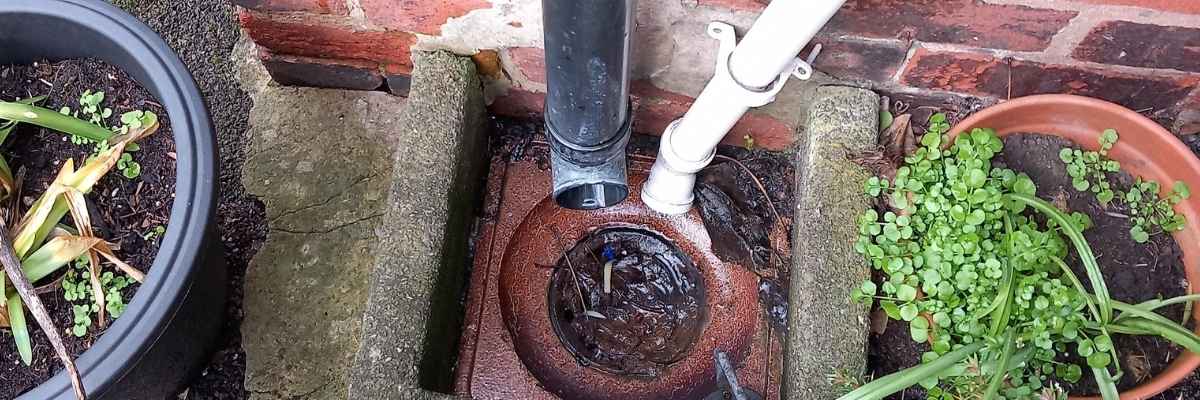
You may notice damp patches on interior walls as water penetrates inside your home, causing musty smells, mould growth and can even lead to rotting timber. Sometimes the drain cover may be blocked with leaves and other debris which simply need removing, but at other times the problem may be hidden in the drainage network under your property.
A CCTV drain survey would be able to confirm if the source of the issue is damaged drains. This may be subject to a claim under your house insurance. A drain survey is a good way to eliminate a potential source of damp in a property.
Damp caused by Broken, Leaking or Collapsed Drains
Because drainage pipework is hidden below ground it is assumed it is protected from damage, but that is often not the case. Early drainage is often run in ceramic pipes which can crack or the cement around each joint can fail. These pipes are also only as good as the substrate they are laid on for support.
Pipe runs can be affected by vehicles parking on pavements and even parking areas being constructed in-front of properties. Once pipes start to move and joints crack, the slow leakage of water can wash fine soil from around the pipe, which leads to more leakage.
In the worst cases, waste filled voids can form under a property, creating odors and when the ground can no longer support the weight above the void, subsidence is inevitable. It is also not unknown for rats to be driven up sewers at times of high rainfall and to get through damaged pipework, from where they can gain entry under properties.
Old, glazed ceramic fittings in particular can get very fine cracks form, in particular at the bottom of the U-bend drain below down pipes. This gentle water discharge into a property through a crack can start decay to the ends of floor joists and increase the risk of dry rot. Finding the source of moisture ingress is difficult as no-one thinks to look at a dry drain that should be full of water.
All of the above defects can be detected by an extensive CCTV drain survey.
Why might I need a drain survey when buying a house?
A drainage survey is a thorough inspection of a building’s drainage system and pipeworks.
A CCTV drainage survey will provide a detailed investigation into the condition of these systems. Before you purchase a property is it best to fully understand any potential problems that could affect your property in the future. Digging up the garden or even worse, under the property to access drains is an expensive process and best avoided if at all possible.
Peter Cox are able to provide you with a CCTV drainage survey as part of our home survey process when looking for issues such as damp, timber decay and structural issues.
Reasons to get a Drainage Survey:
-
Property Purchase: - When buying a new home or property, a drain survey can identify potential issues in the drainage system before you commit to the purchase. It can reveal problems like blockages, damage, or misalignments in the pipes that could lead to expensive repairs down the line or old pipe runs that lead to a hidden soak away.
The older the property, the more likely a single drainage system will discharge both rain water and foul water, which puts extra strain on the system, particularly during heavy rainfall and can lead to manhole covers lifting. -
Recurring Drainage Problems: - If you're experiencing frequent drainage issues, such as slow draining, bad smells, or flooding, a drain survey can pinpoint the cause of the problem, whether it’s a blockage, a collapsed pipe, or tree root intrusion.
-
Property Renovation or Extension: - If you're planning an extension or renovation, it’s crucial to check the condition of the existing drainage system to ensure it can handle any changes. It is important to understand if pipe falls and interceptor pit size is adequate to take the extra discharge until it leaves the site. On older properties it might be that drains discharge to a soak away, not the main drainage system. A survey will also help identify any work that may need to be done before the project begins.
-
Preventative Maintenance: - Regular drain surveys can help you catch potential issues early, preventing more serious damage in the future. If your property has older drainage systems, a survey can help maintain the integrity of the pipes and prevent costly repairs.
-
Tree Root Intrusion: - In areas with lots of trees, roots can cause damage or blockage to drainage systems by growing into pipes. A drain survey can identify this issue early, saving you from expensive repairs.
-
Flooding: - If your area is prone to flooding or you’ve experienced drainage-related flooding on your property, a survey can help identify problem areas and guide efforts to improve the drainage system.
CCTV Drain Survey Process
During a damp and timber survey carried out by our qualified surveyor they may suggest a CCTV drain survey is carried out. If you choose to go ahead with this our drainage surveyor will then visit your property and identify which drains to check and which may be causing issues.
They will then insert a waterproof inspection camera into the system which can provide up to date information, take photos and identify any potential problems. Any findings will be recorded and documented in a thorough report. It will detail any repair work required, but only if necessary. The surveyor will also provide a detailed map of the drainage system under the property.
Why Choose a CCTV Drain Survey?
A CCTV drainage survey is useful to understand common issues, giving the purchaser visual evidence of any issues or problems affecting the drainage system, all detailed in a report. It can also provide peace of mind that there are no issues when purchasing a new property.
Basement and Cellar Drain Survey
Basements and cellars are subject to flooding when there are issues with drains. A broken drain near a basement or cellar means that water will no longer be able to freely flow away from the property, and could lead to potential flooding, dampness or water damage. It is also not uncommon for old basements to contain soak aways, which can unexpectedly flood upwards.
Flooding may also damage certain types of basement water proofing systems, which are not meant to handle high levels of standing water or back water pressure. If water is pooling and flooding in a basement this may cause problems such as mould growth and structural concerns. There will also be issues with drying the basement structure.
During a waterproofing survey a surveyor will investigate the external issues that may affect the below ground space, this will include checks to the fabric of the building that may cause internal dampness. They may suggest a CCTV drain survey is carried out to assist that understanding.
Next Steps
*Survey enquiries for your local branch will be directed to our dedicated central survey control teams across the UK. Calls to 0800 and 0808 numbers are free unless you are calling from a business phone, in which case the rate will be set by your provider.