


Structural repairs
Learn more about the range of structural repair treatments we provide
Click Here > >

Call Peter Cox on 08082508820 * or Contact Us Online
Peter Cox have been providing wall tie surveys and expert structural repairs for homeowners and commercial partners for over 70 years.
As experts in property preservation we have experienced and qualified surveyors who will be able to assess the condition of wall ties and provide recommendations for replacements, if required.
Typically our wall tie replacement services are backed by a 20 year guarantee, giving you long term peace of mind your property is protected.
Peter Cox are approved installers of Helifix and Cintec structural products and have considerable experience of working with structural engineers across the country.
Wall ties connect the inner and outer leafs of walls together, creating a space that is known as the cavity void or cavity wall.
If a single leaf wall is built too high without the correct support it becomes unstable, hence the need for wall ties connecting the two leafs at regular intervals.
Cavity walls became the accepted norm in the 1920s, buildings before were mainly constructed with solid walls - often built of brickwork or stonework laid directly against each other with differing patterns of bricks laid lengthway and widthway for stability. Cavity walls became standard as they offer greater protection against rainwater penetration and can assist in reducing condensation through improved thermal insulation.
The British Standard (BS 1243) for wall ties was launched in 1945, but prior there was no standard - so the quality of the wall ties in properties could vary dramatically.
Regulations regarding zinc content were changed between 1964-1981 leading to widespread issues with wall tie corrosion during this period. Properties built during this period may still have wall tie issues if they haven’t been replaced.
Even properties which have had mild steel ties installed will eventually corrode over time, which can cause structural problems and horizontal cracking in walls - hence why it is essential to have them checked.
The purpose of wall ties means they are hidden within a cavity wall, so identifying the extent of corrosion or if a wall tie has failed can be difficult.
Professional surveyors have equipment used to inspect the condition of the ties, which involves identifying the location of each tie by using a metal detector, and then using an endoscope to inspect the tie.
There are however visual signs wall ties have failed:
Horizontal cracking is the most obvious sign, these appear along the mortar joint in which the wall ties were installed. Over time the ties can rust and expand, causing cracking and deterioration of the mortar, which exposes the tie to the elements.
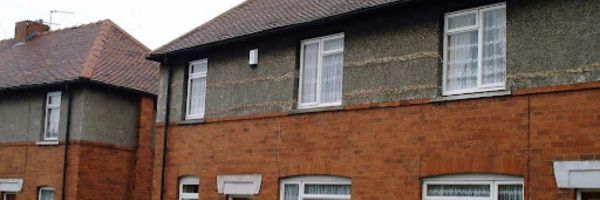
Horizontal cracking across several mortar joints indicates a wall tie problem in this cavity wall
Horizontal cracks on render coats, where the brickwork is covered. The render may hide the brickwork but over time these horizontal cracks in the render can become visible.
Bowing of brickwork or walls as the outer leaf is no longer attached to the inner leaf. This can be because wall ties were never installed during the building process, or because they have failed over time and expanded from the mortar joint, losing their ability to tie the two leaves together
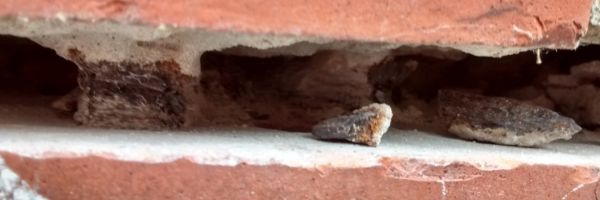
Corroded ties and missing mortar, as the ties expand they can deteriorate the surrounding mortar, exposing the tie. It may be possible to see the corroded tie where the mortar has fallen away.
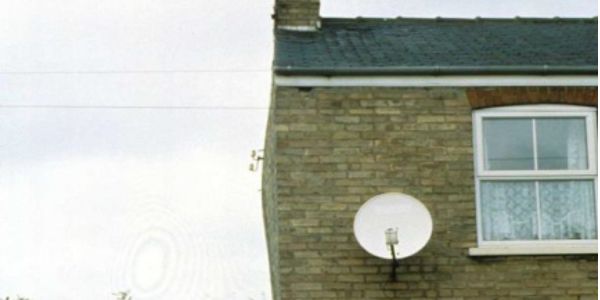
Lifting of roof edges, as brickwork on a gable end is forced upward by the expansive corrosion. Each crack increases in size the higher up the wall due to reduced dead load, causing the roof edge to rise.
If you think you have a cavity wall tie problem in your home or property and would like a professional opinion, we can provide you with a survey to inspect the condition of the wall ties.
A trained and experienced surveyor will be able to assess the extent of the damage, if any, and whether repairs are needed.
Often structural repair problems are more complex than meets the eye, hence why it is important for a thorough survey to be carried out by a trained professional.
They will take time to:
They will rate the condition of the tie against Building Research Establishment digest 401 - which contains nine classifications of wall tie conditions from uncorroded to total failure. This rating will then be used to determine if remedial wall tie replacement is required.
The surveyor will then present their findings in a detailed survey report, detailing the condition of the wall ties and if the current amount of ties is adequate. Where necessary the report will contain diagrams and images to support these observations.
If work is required the report will describe the scale and scope of remedial wall tie repairs, and details of the long term guarantee, if applicable.
If cavity wall insulation is present we may require a more invasive inspection to understand the condition of the wall ties.
Peter Cox are a Which? Trusted Trader and are rated ‘Excellent’ on Trustpilot with over 2,500 independent customer reviews, meaning we are the preservation company you can trust.
Trained and experienced surveyor assessing the extent of damage
Once you have had a wall tie survey and choose to go ahead with the recommendations, our experienced technicians will:
If the wall ties have corroded to the point that bulges or cracks in the wall require crack stitching or lintel repair services then our specialist team will then carry out these repairs.
Unless stated in the report, our wall tie replacement services are backed by a 20-year guarantee, giving you long term peace of mind.
Our standard replacement wall ties are made from stainless steel and are available in differing lengths to suit cavity widths up to 110mm. There are different types of wall ties available, including resin, mechanical drive ties or cementitious ties, which come in differing lengths to suit different cavity widths.
The type of tie used depends on the type and condition of the masonry and brickwork involved. All newly installed wall ties incorporate a drip detail to prevent water transmission across the cavity.
There are several signs of cavity wall tie failure, but the most obvious one is horizontal cracking along mortar joints. You may also notice bowing walls or may also be able to spot corroded or rusty ties where bricks or mortar is loose.
The cost of replacing wall ties will depend on the size and type of property, and the amount of wall ties needing to be replaced. A wall tie survey will involve a thorough inspection of your property to understand the extent of wall tie failure, and provide a comprehensive report detailing recommendations and advice if required.
The lifespan of a cavity wall tie will depend on the type of material used, the installation process and other environmental factors. Properties exposed to moisture or located on the coast, where salty wind driven rain can cause penetrating damp, may accelerate corroding.
Older ties with low zinc content may corrode and rust quicker than more modern stainless steel ties. If you are unsure about the condition of your wall ties, a professional survey can identify any issues.
If you have noticed signs of wall tie failure, a wall tie survey can be used to inspect the condition of the tie within the cavity wall. This can indicate the extent of the problem and whether wall tie replacement is necessary. If no problems are found this can give you peace of mind your wall ties are working as required.
The cost of a wall tie survey will depend on the size of the property, as it will take longer for a surveyor to inspect every tie within the cavity wall. You can find out the cost of a professional survey by getting in touch with Peter Cox.
To carry out a visual inspection of wall ties you will first need to locate them within the cavity wall. This can be done by using a metal detector, before drilling an inspection hole and using an endoscope to assess the condition. A more invasive strategy is to remove the brick directly above a tie and check the condition. Both of these methods require specialist tools and experience so you may require a trained professional to carry out a wall tie survey.
*Survey enquiries for your local branch will be directed to our dedicated central survey control teams across the UK. Calls to 0800 and 0808 numbers are free unless you are calling from a business phone, in which case the rate will be set by your provider.